An event photograph can tell you that a room was full. I also want it to tell you something about why people were there.
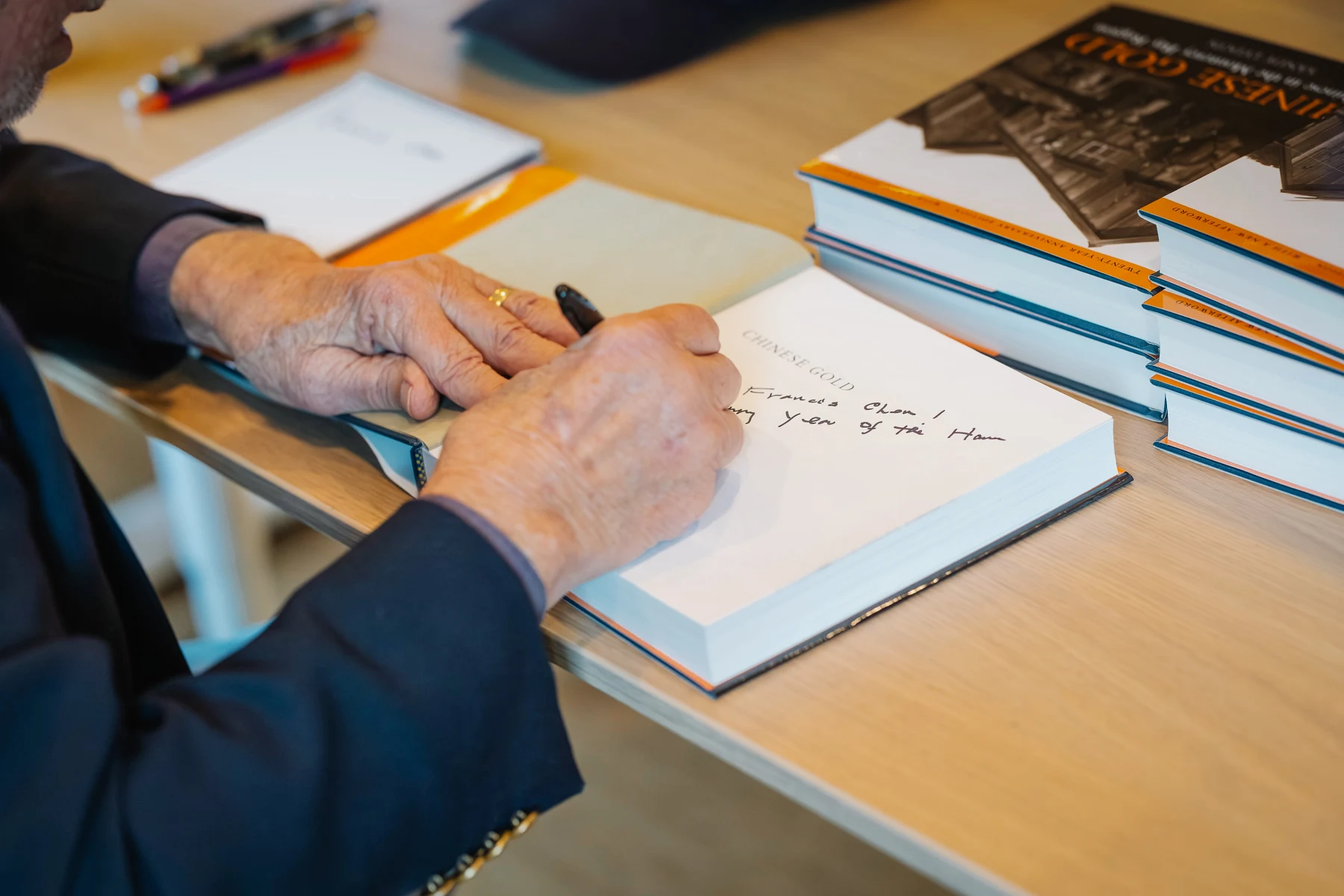
In the Resource Center for Nonviolence Lunar New Year collection, there are speakers, an audience, people together, and hands working at a table. Each photograph holds a different part of the gathering. The wider room gives us context. The smaller gestures bring us closer.
My role with RCNV is In-House Media. The relationship connects with something central to how I work: paying attention to the people who make a place what it is.
Tell us what the gathering is for
Before an event, I want to understand what your organization hopes people will experience. Is the focus a conversation, a performance, a fundraiser, a workshop, or several things happening at once?
A simple running order helps. So does knowing which moments happen only once, who is speaking, and whether there are people or activities that need particular care. This gives the coverage direction without making the event feel arranged around the camera.
Think beyond a photograph of the speaker
A speaker is part of the story. So are the people listening, the exchange between guests, and the work that happens around the edges. In this collection, the calligraphy table offers another way into the gathering.
A useful set of event images moves between those perspectives. Tell us if you need photographs for a website banner, a program recap, social posts, or a future invitation. Different uses can ask for different framing and space around the subject.
Make permissions part of the plan
The organizer is the best place to begin a conversation about participant expectations. Let us know about any no-photo requests, sensitive situations, restrictions, or areas where cameras should stay out.
If people need a way to identify themselves as not wanting to be photographed, discuss a clear approach with your team before the doors open. The goal is to make communication easy for everyone involved. We can then agree on how those instructions reach the production team.
Choose the coverage around the actual event
Photography and film can serve different purposes. Still images can give your organization a flexible collection for updates and invitations. A filmed conversation or performance may need a separate plan for sound, camera placement, lighting, and editing.
If you want both, bring that up early. A request to document a gathering and a request to create an edited film should have a shared understanding of scope. We can talk through what matters most and build from there.
Plan for what happens after
Who will choose the images? Where will they be used? Is there a communication deadline we should discuss before confirming the project? These are useful questions to answer alongside the event details.
If you are organizing something in Santa Cruz or the Bay Area, you can begin by sharing the purpose, location, date, schedule, and the way you hope to use the work. You do not have to turn your community gathering into a marketing production to document it thoughtfully.
Explore the RCNV collection for an example of how a room, a few close details, and the people within it can tell a fuller story together.